The age of solo filmmaking — How director DESO uses Genspark

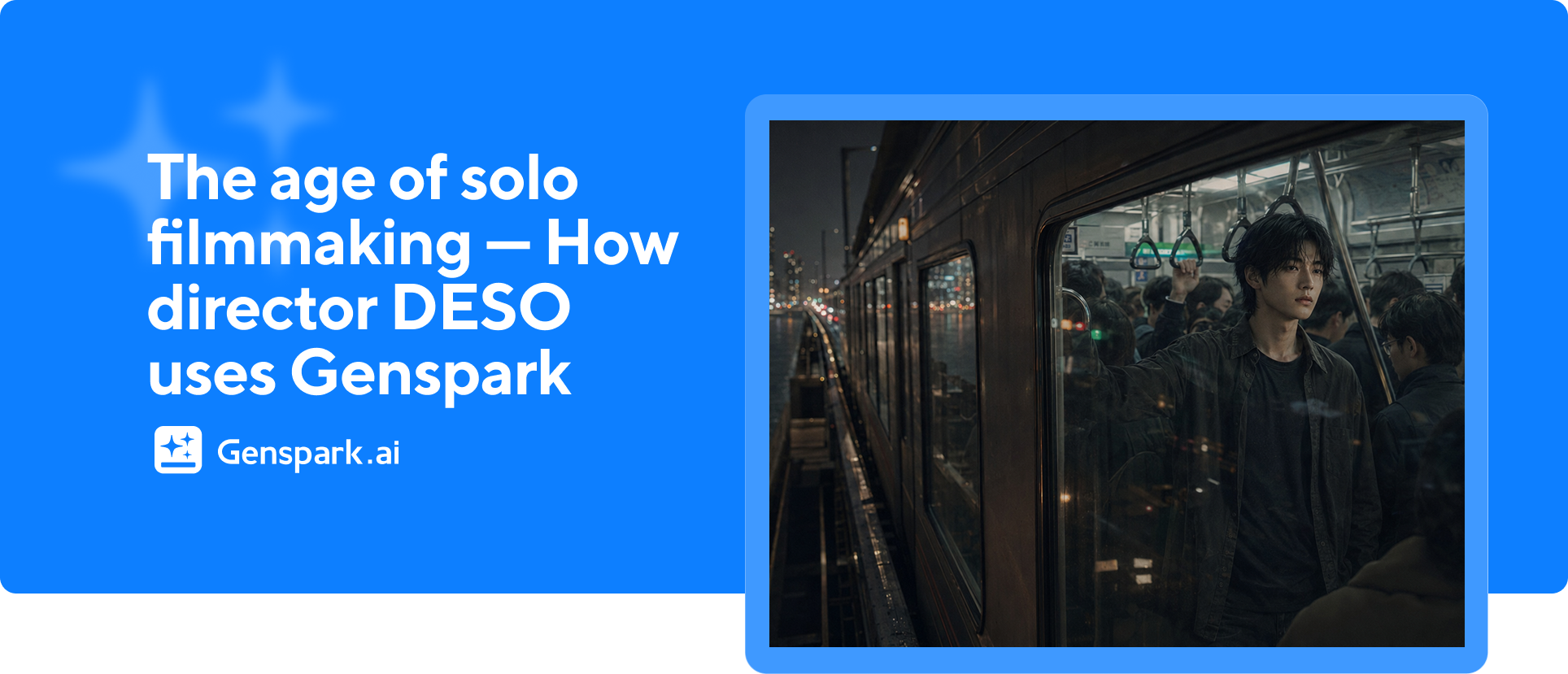
An AI film completed end-to-end by a single creator — script, characters, direction, and editing all done solo. What was the workflow behind it?
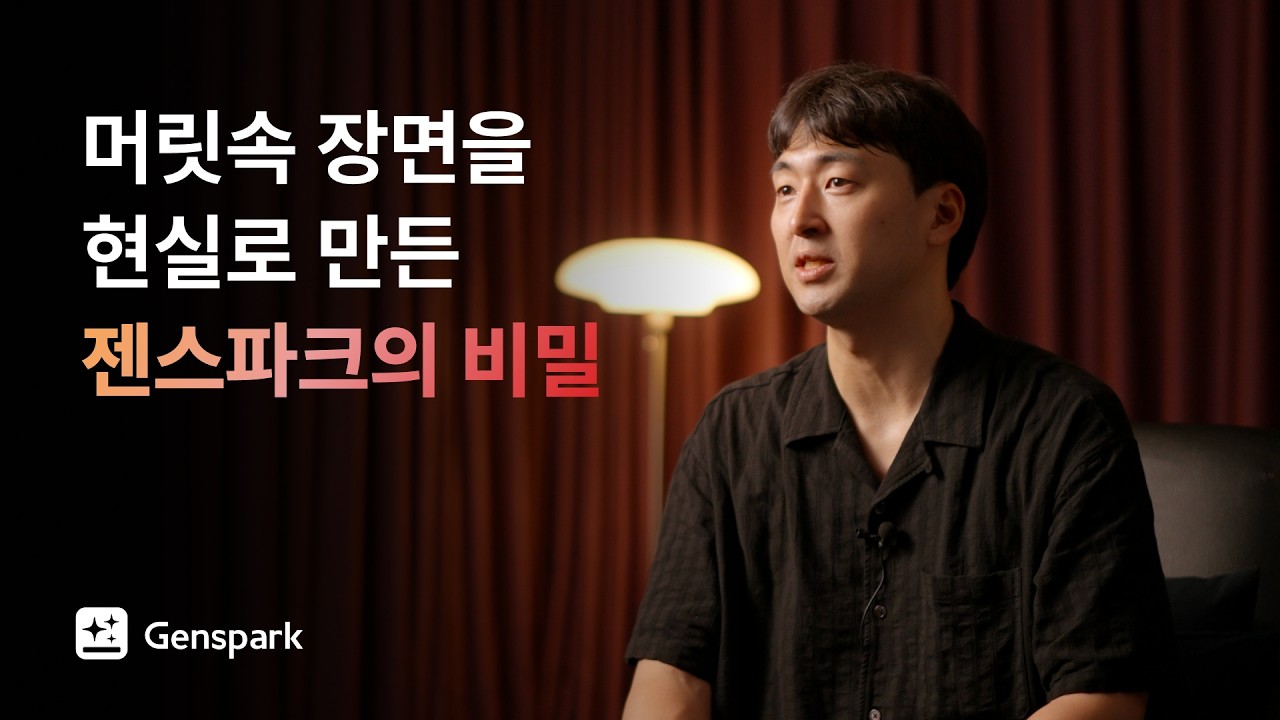
Customer Story · Euiseok Oh (DESO) · Video Creator · Music Producer · Pastor
Video creator. Music producer (under the name DESO). Pastor. Euiseok Oh wears three identities at once. He's spent years making music and video, but these days most of his hours go into making AI films and storytelling content.
His flagship work is a recently completed AI film — "THE PROPHET JONAH" — where he handled the script, character design, direction, music, and editing almost entirely on his own. What would have cost tens of thousands of dollars and required a crew of dozens, one solo creator finished with AI. He's now moving on to a music video.
This case study comes straight from an interview with Oh. It's about what it looks like to step across the threshold into "an era where a thought can become content" — and how one creator uses Genspark to get there.
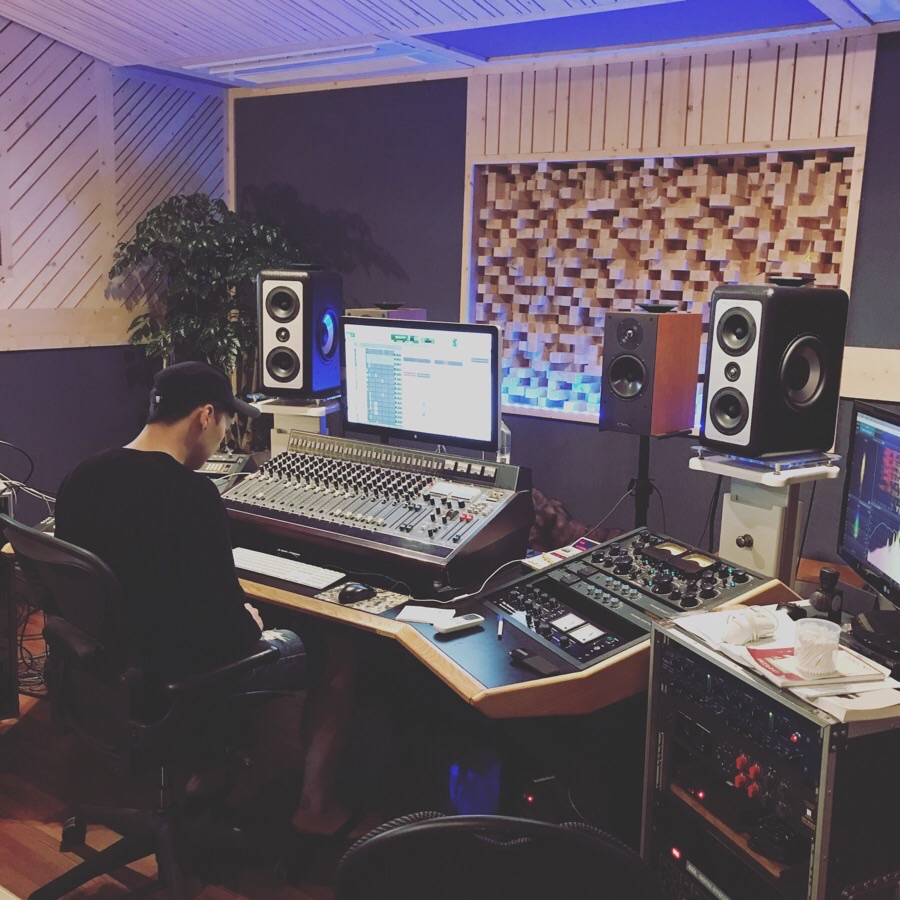
📌 Snapshot
| Subject | Euiseok Oh (DESO) — Video creator · Music producer · Pastor |
| Work | AI films · Music videos · Music production · Storytelling content |
| Signature project | AI film "THE PROPHET JONAH" (solo production) |
| Toolset | Genspark Super Agent + image/video models (GPT Image, Nano Banana, KLING, VEO) |
| Key change | "Projects I couldn't even start before, I can now make on my own." |
| In one phrase | "It's like my own creative studio." |
1. The ideas that used to end in his head
Some context first. Oh has always worked solo. So any project has had to fit within what one person can handle. And there was one kind of work he'd been putting off for years — filmmaking.
"Filmmaking is something every video creator thinks about at least once. I do this for a living, but as a one-person media producer, I could never make a film — the kind of thing that takes many specialists and a big budget. So most of my ideas just ended in my head."
Before Genspark, his setup looked like this: search on one site, plan on another, translate somewhere else, organize notes somewhere else again. To develop a single idea, he'd move across five or six AI services.
"It was a problem that came from subscribing to so many AI services. Each one has its own strengths, so at first the variety felt like an advantage — but honestly, as the work stretched on, it started feeling like fatigue."
Planning a single piece of content often took days. Research, sorting through ideas, building the overall structure — the front-end took the longest.
2. The first "wait, this is different" moment
What made Oh stop and take notice was the way Genspark stitches multiple models into a single conversation.
"Normally, when I use GPT for an image, it uses the GPT image model; on Gemini, it uses Nano Banana — each AI produces results inside its own defined model. But with Genspark, while I'm developing an idea in conversation, it says things like 'Should we try this image with GPT Image? What about Nano Banana for this one? Which model should we use for the video?' It suggests the right model for the specific image or video I'm trying to make. That was striking."
One conversation. Multiple models selected based on the situation. A project completed end-to-end without leaving the thread — this was the pivotal moment.
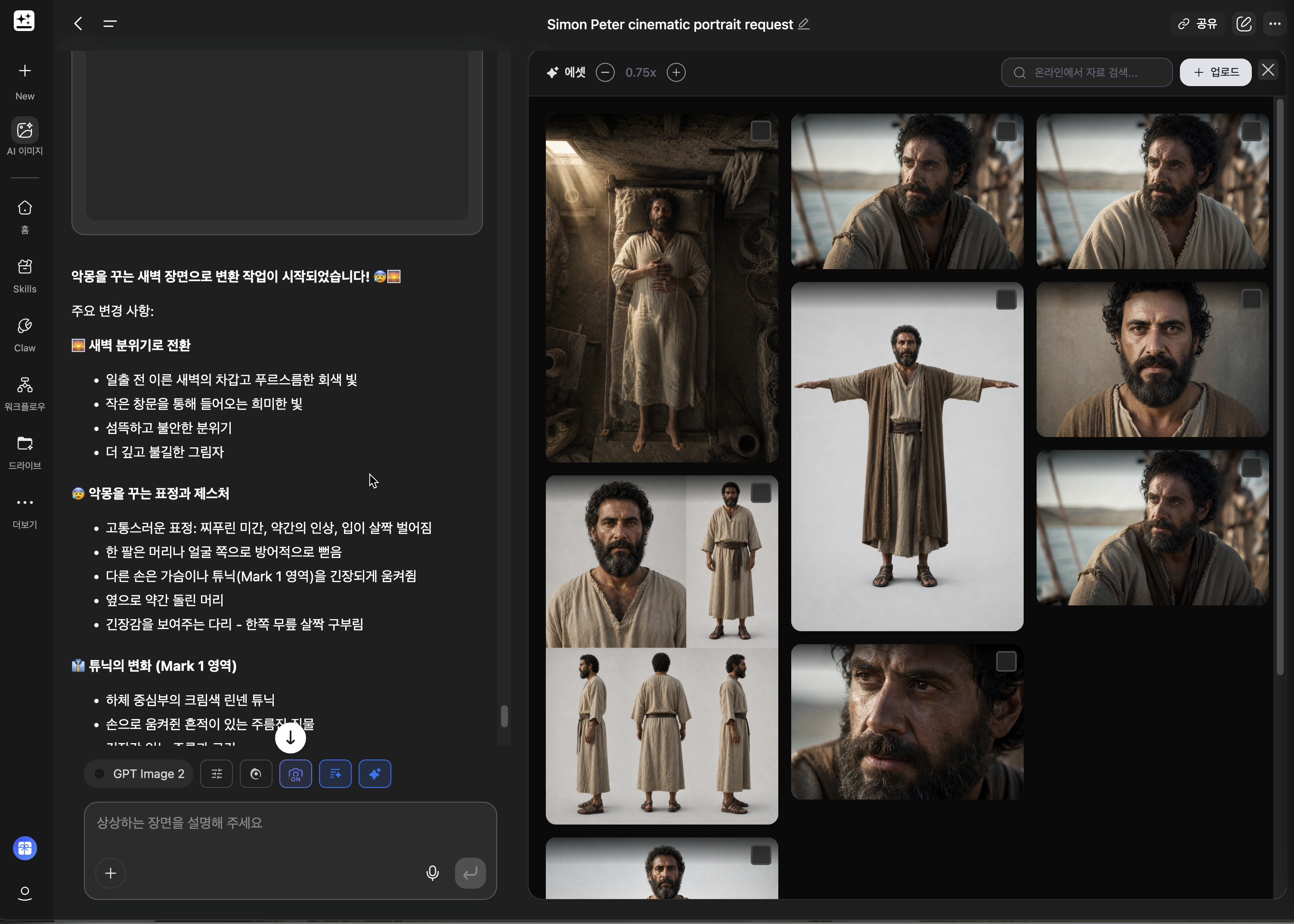
His primary method is I2V (Image to Video), which made this point matter even more — because a good video starts from a good image. He spends most of his time on image generation, and Genspark holding the conversation's context while offering different image models made the whole process much smoother.
3. From rough idea to film — the actual workflow
Oh uses Genspark for three main things:
| # | Area | How |
|---|---|---|
| 1 | AI video production | Source images for I2V (Image to Video) |
| 2 | Research & project design | Idea structuring, story and world-building |
| 3 | Documents & content planning | Client proposals, content briefs, presentations |
And there's a way of working that ties all three together — developing one project continuously with a Super Agent.
"From a single rough idea, I keep the conversation going — making the idea concrete, filling in what's missing, developing the project step by step. When I need an image, I request one right there. When I need to move to video, I do that too. The fact that everything flows within one conversation without breaking — that's what I found fun."
The 5-step production process
① Develop the rough idea in dialogue Talk with the Super Agent to make the idea concrete. "Sometimes I say no, sometimes yes; sometimes when I'm stuck I ask it to make suggestions."
② Build the world and story Once the direction is set, organize the world-building and character setup.
③ Generate key images Create main scene images. Genspark recommends the best model for each scene.
④ Write video prompts When the images look right, write the video prompts. Because the Super Agent already has the context, the prompts come together naturally.
⑤ Compare video models → edit Pick a model — KLING, VEO, etc. — and compare. To save credits, render low-res first. Then finalize the good ones at higher quality, and take it into an editor for cutting, color, music, and sound design.
"In my experience, high-quality images matter more than the video engine itself."
Oh's prompt tip
"I always include year, specific style, and details in my image prompts. On top of that, adding the project's purpose and world elevates the result."
A small tip, but the kind of thing that separates okay from good.
4. What impressed him most — consistency
Of all the things Oh uses Genspark for, the one that stands out most is image generation for filming.
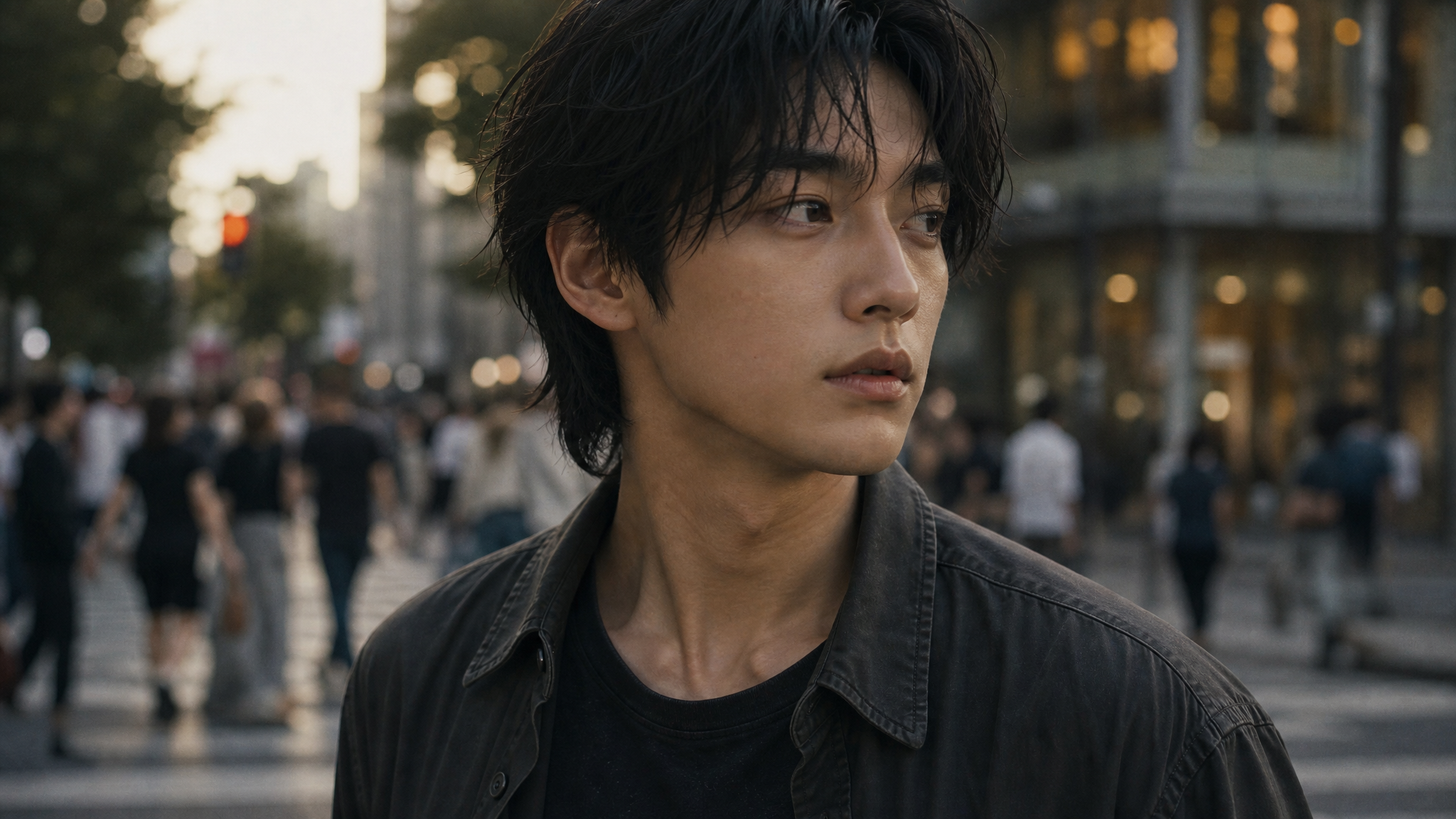
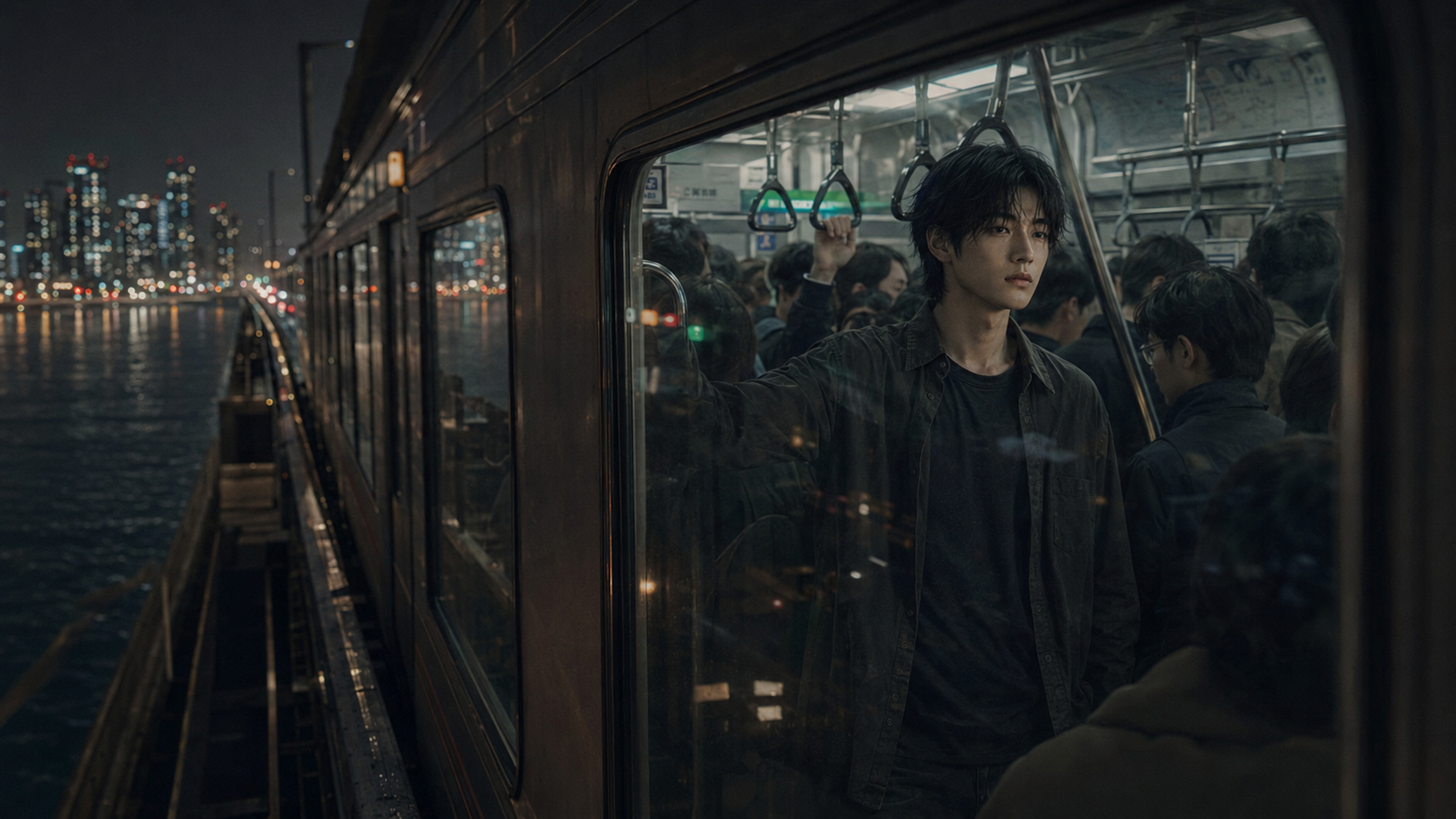
"The Super Agent remembers the world I've built, the character designs, all of it — and I can still use different image models and video models on top of that. That's what impressed me the most. And the fact that it maintains consistency across many generations of the same character — that was excellent too."
The same character showing subtle drift across scenes — face changing slightly from shot to shot — is one of the hardest problems for anyone making AI films. Handling that inside one conversation is a real difference.
5. "Like my own creative studio"
Asked to describe Genspark in one phrase, Oh said this.
"It's like my own creative studio."
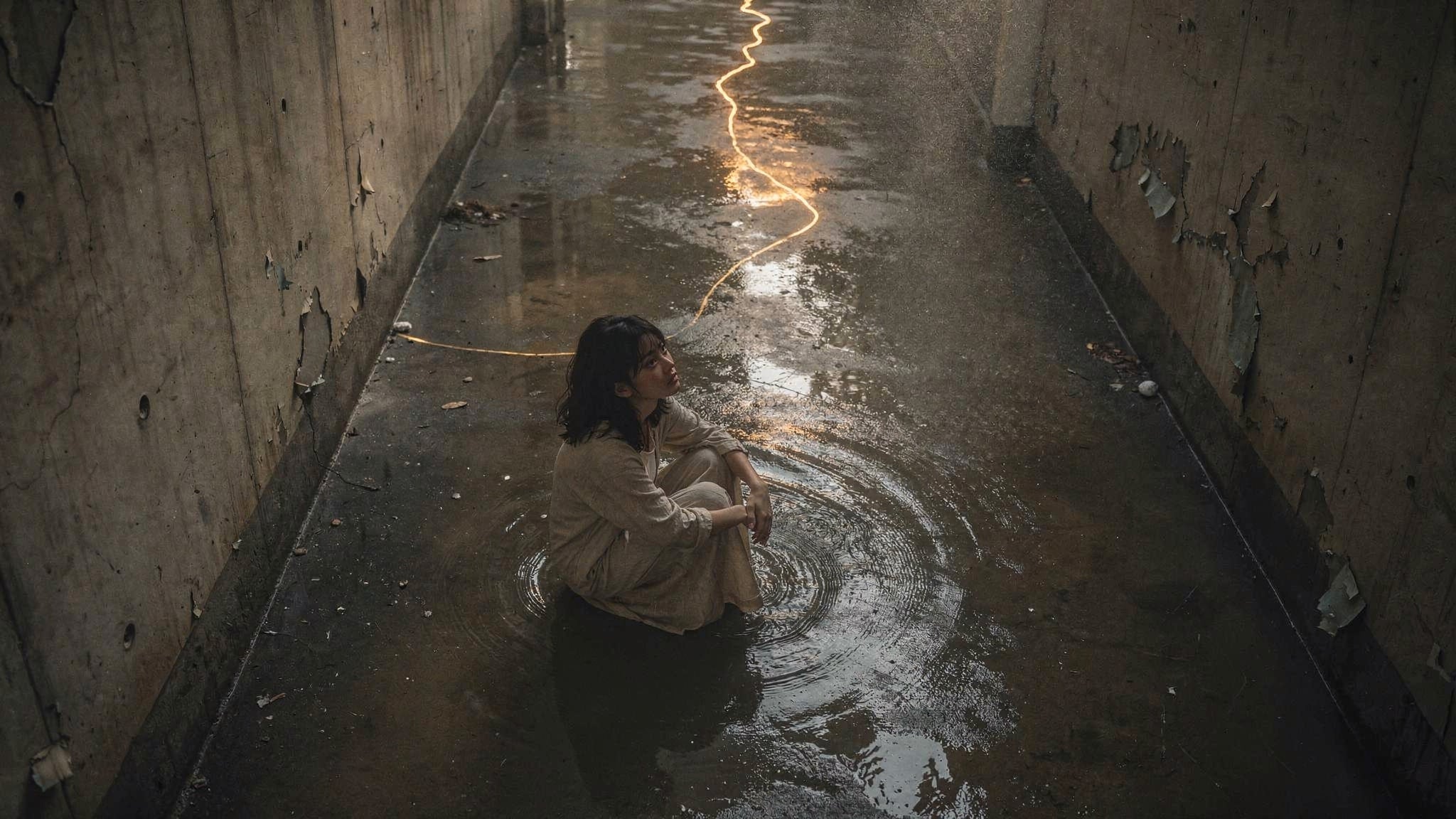
The reason: before, he sat alone in his workspace. Now it feels like working with a team of specialists across different disciplines. Screenwriter, concept artist, cinematographer, editor — all inside one conversation.
6. What actually changed — the scope of creation itself
Asked "what changed most in the way you work?" — here's what Oh said.
"As a one-person media producer, projects I couldn't even start before, I can now make on my own. This isn't just about being faster. The scope of what I can create is fundamentally different."
This is the important part. Most AI-tool conversations stop at "how much faster did it get." Oh's case shows a different dimension — projects that were impossible to even begin are now possible.
"Filmmaking has enormous barriers. Script, actors, camera equipment, endless specialists, budget — the list goes on. Yet someone who wasn't a director, who never dreamed of being one, is now writing scripts, designing characters, directing scenes, and making films."
"AI didn't just make me a better music producer. It made me a creator who can step into an entirely new field. That's the biggest change."
Even video creators who aren't in the film industry always carry a bit of longing for "the cinematic look." Before, it usually ended at "maybe someday when I have the budget." But now, when an idea hits, Oh starts producing immediately.
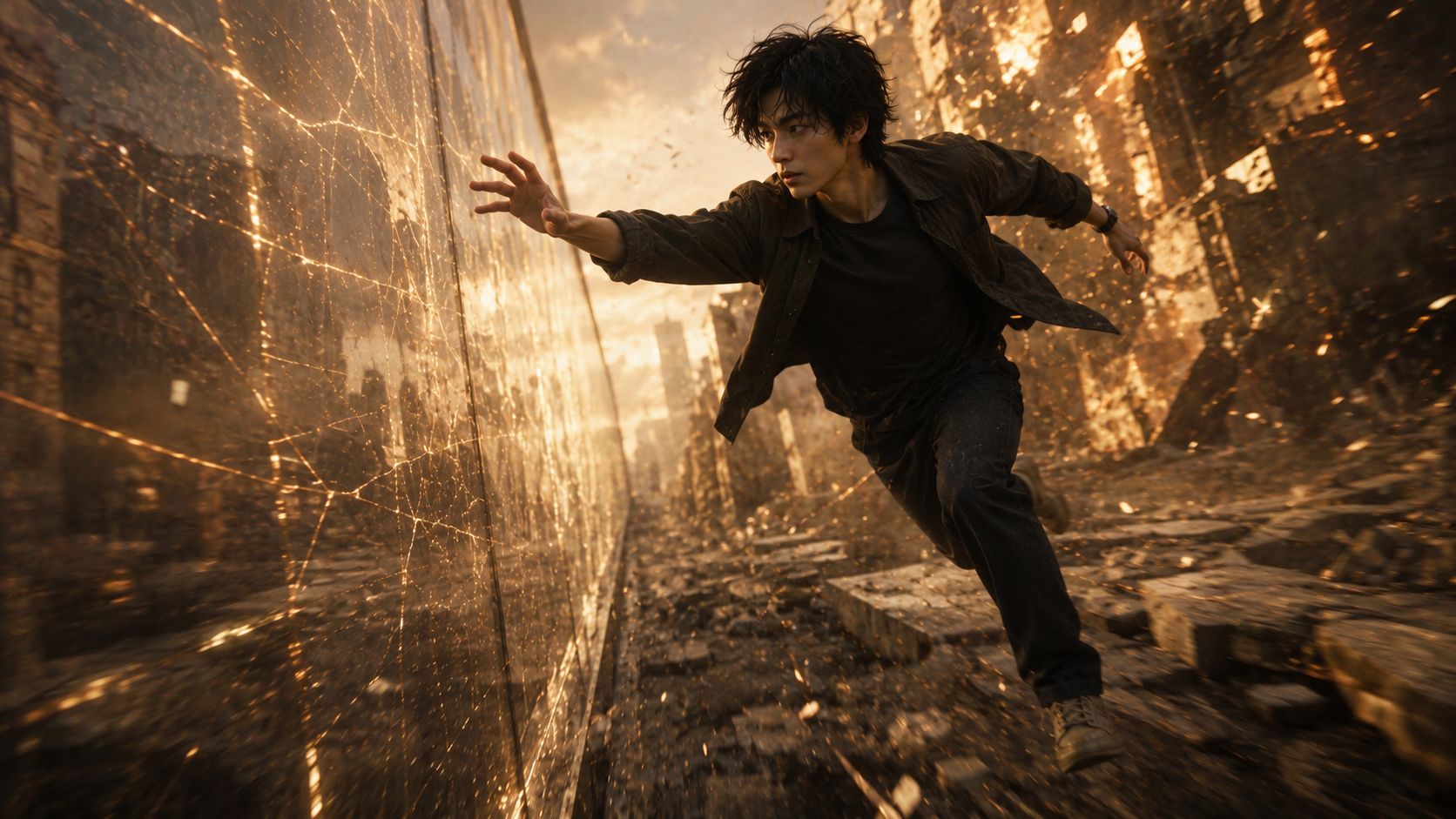
"We've entered an era where a thought can become content. That speed is completely different."
7. Is AI a tool, or a creative partner?
For Oh, AI is a tool. But a very particular kind of tool.
"I think of AI as a tool. But at the same time, it's a tool that expands the range of expression more than any tool that came before."
"In the end, what matters isn't the AI — it's the person using it, and what kind of story they want to tell. AI doesn't replace creators. It helps creators realize bigger dreams. These days, what dream you're chasing matters more than ever."
If he had to define Genspark in one sentence:
"A creative partner that turns a solo media producer's imagined project into something real."
8. To everyone who never dared to try
At the end of the interview, Oh had a message for anyone thinking about creating in the AI era.
"What used to be 'someday I'd like to try' has become 'I can try it now.' The AI era isn't only about strengthening existing experts — it's about people who never dared to try becoming new creators. I'm right in the middle of that shift myself. Big changes always bring big opportunities. I hope more of those opportunities open up for every creator."
🎯 Key Takeaways
- The real value of AI isn't "faster" — it's "newly possible." Oh crossed into filmmaking, a field he'd never even attempted. That's a much bigger shift than time savings.
- Chaining multiple models inside one conversation is what makes the difference. Context carries. Characters stay consistent. The right model shows up when needed.
- In your image prompts, include year, style, details, purpose, and world. Oh's field-tested tip.
- To save credits, render low-res first. Image quality matters more than the video engine.
- "What dream you're chasing" matters more than ever. The tools are already here.
Start the project you've only been imagining
For solo creators, video makers, and musicians — the experience of an idea turning into content inside one conversation. Start now.